St. Francis of Assisi Weekly Reflections
“Master, I Want to See”
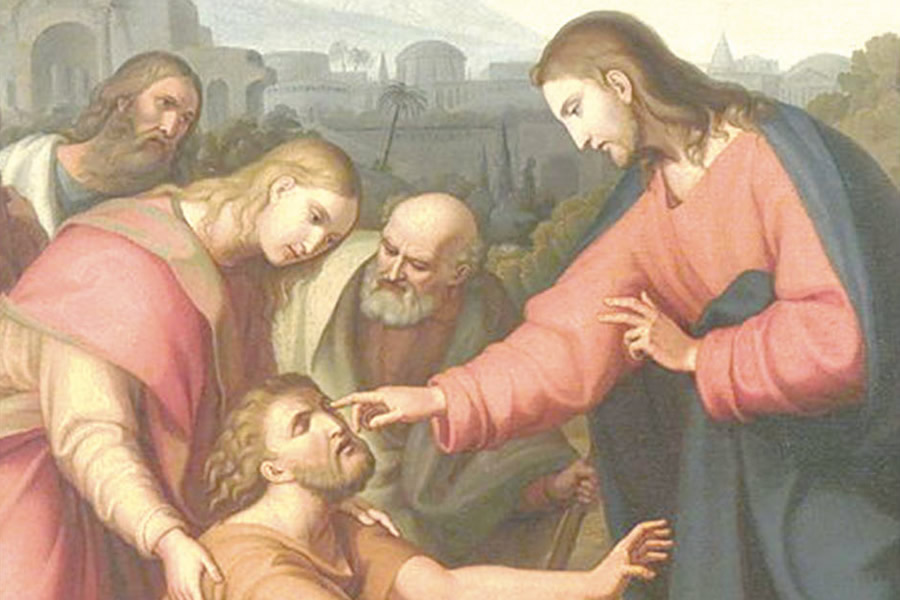
10-27-2024Weekly ReflectionWe Celebrate Worship Resource, Vol. 49, No. 1All he wanted was to see. When asked, “What do you want me to do for you?” Bartimaeus responded simply, “Master, I want to see” (Mark10:51). He trusts Jesus, calling him “Master”, even throwing aside his cloak, which he’d used to collect the offering. What’s more, after receiving his sight, he immediately followed the Lord. Contrast this with others we’ve heard of recently. Last week, we heard Jesus ask the same exact question of James and John, but what they wanted was a special place in the eternal kingdom. Two weeks ago, we saw a man walk away when he was told he must sell all he had and give it to the poor in order to inherit eternal life. James, John, and the unnamed man wanted to see themselves in glory in heaven. But not Bartimaeus. He is like the blind, lame, and other vulnerable people Jeremiah speaks of in the first reading. Those people were specifically welcomed to return to the restored kingdom of Israel. Bartimaeus wants to see, but the fact that he chose to go with Jesus instead of going back home suggests that what Bartimaeus really wanted to see was the kingdom Jeremiah prophesied and Jesus promised. On this day, his wish was fulfilled.
How does your faith, like Bartimaeus’, help you see what others cannot?
“Maestro, Que Pueda Ver”
Todo lo que quería era ver. Cuando se le preguntó: "¿Qué quieres que haga por ?" Bartimeo respondió simplemente, "Maestro, quiero ver" (Mark10: 51). Con a en que Jesús lo llama "Maestro", incluso tirando a un lado su capa, que había usado para recolectar la ofrenda. Lo que es más, después de recibir su vista, inmediatamente siguió al Señor. Contraste esto con otros de los que hemos oído hablar recientemente. La semana pasada, escuchamos a Jesús hacer la misma pregunta exacta de Santiago y Juan, pero lo que querían era un lugar especial en el reino eterno. Hace dos semanas, vimos a un hombre alejarse cuando le dijeron que debía vender todo lo que tenía y dárselo a los pobres para heredar la vida eterna. James, John y el hombre no identificado querían verse a sí mismos en la gloria en el cielo. Pero no Bartimeo. Es como el ciego, cojo y otras personas vulnerables de las que Jeremiah habla en la primera lectura. Esas personas fueron bienvenidas específicamente para regresar a un reino restaurado de Israel. Bartimeo quiere ver, pero el hecho de que eligió ir con Jesús en lugar de volver a casa sugiere que lo que Barmeo realmente quería ver era el reino Jeremías profetizado y que Jesús prometió. En este día, su sueño fue cumplido.
¿Cómo te ayuda tu fe, como la de Bartimeo, ver lo que otros
no pueden?
The Eyes of Faith
10-27-2024Question of the Week
Reading I: Jeremiah 31:7-9 • The Restoration
Reading II: Hebrews 5:1-6 • Jesus, the High Priest
Gospel: Mark 10:46-52 • The Blind BartimaeusKey Passage: Jesus said to him, “Go; your faith has made you well.” Immediately he regained his sight and followed him on the way. (Mark 10:52)
Adults: What have your eyes of faith helped you see in a new way?
Kids: What do you like most about the story of Bartimaeus? Why?
Lo Ojos De La Fe
Lectura I: Jeremiah 31: 7-9 • La restauración
Lectura II: Hebreos 5: 1-6 • Jesús, el sumo sacerdote
Evangelio: Marca 10: 46-52 • El Ciego Bartimeo
Pasaje Clave: Jesús le dijo: “Vete; tu fe te ha salvado." Inmediatamente recuperó su vista y lo siguió en el camino. (Marcos 10:52)
Adultos: ¿Como te han ayudado tus ojos de fe a ver en una manera distinta?
Niños: ¿Qué es lo que más te gusta de la historia de Bartimeo? ¿Por qué?
Quiet Sacrifice
10-20-2024Question of the Week Reading I: Isaiah 53:10-11 • The Suffering Servant
Reading II: Hebrews 4:14-16 • Jesus, Compassionate High Priest
Gospel: Mark 10:35-45 • Ambition of James and John
Key Passage: Jesus said, “Whoever wishes to become great among you must be your servant, and whoever wishes to be first among you must be slave of all.” (Mark 10:44)
Adults: Why is it hard to do good work if you will not be acknowledged for them?
Kids: Are you willing to do a good deed even if no one knows that you did it? Why?
Sacrificio Silencio
Lectura I: Isaías 53:10-11 • El Siervo Sufriente
Lectura II: Hebreos 4:14-16 • Jesús, Sumo Sacerdote Compasivo
Evangelio: Marcos 10:35-45 • La ambición de Santiago y Juan
Pasaje Clave: Jesús dijo: “El que quiera ser grande entre ustedes, que sea su servidor, y el que quiera ser el primero, que sea el esclavo de todos.” (Marcos 10:44)
Adultos: ¿Por qué es di cil hacer buenas obras si no se te reconoce por ellas?
Niños: ¿Estás dispuesto a hacer una buena acción incluso si nadie sabe que la hiciste? ¿Por qué?

He Came To Give
10-20-2024Weekly ReflectionWe Celebrate Worship Resource, Vol. 49, No. 1Jesus was not very explicit when he called the disciples. “Come, follow me” is a pretty vague invitation. But over time the disciples came to realize their mission. Jesus set an example for them, teaching, healing, and forgiving those who came to him. He even invited the disciples to go out in pairs and do the same. But all this recent talk about the kingdom and eternal life has distracted them. James and John decided to ask Jesus for a special place in this eternal kingdom. It is time for Jesus to summon the Twelve all over again to remind them of their mission. The goal of Christ’s mission is service, not glory. The focus is on others, not oneself. Jesus “did not come to be served but to serve” (Mark 10:45). When we were first called, we may not have understood our mission. Certainly not if we were baptized as babies! Sometimes we need to be summoned again. And again. Out of love for our neighbor, we are called to sacrifice our own desires, our own possessions (recalling last Sunday’s Gospel), and even our own lives. Let us work to recognize Christ in our neighbor, making us eager to serve others.
What will you do this week to serve others in a new way?
El Vino A Dar
Jesús no fue muy explícito cuando llamó a los discípulos. “Ven y sígueme” es una invitación bastante vaga. Pero con el tiempo los discípulos se dieron cuenta de su misión. Jesús les dio el ejemplo, enseñando, sanando y perdonando a quienes acudían a él. Incluso invitó a los discípulos a salir de dos en dos y hacer lo mismo. Pero toda esta charla reciente sobre el reino y la vida eterna los ha distraído. Santiago y Juan decidieron pedirle a Jesús un lugar especial en este reino eterno. Es hora de que Jesús vuelva a convocar a los Doce para recordarles su misión. El objetivo de la misión de Cristo es el servicio, no la gloria. El enfoque está en los demás, no en uno mismo. Jesús “no vino para ser servido, sino para servir” (Marcos 10:45). Cuando fuimos llamados por primera vez, es posible que no hayamos entendido nuestra misión. ¡Ciertamente no si fuimos bau zados cuando éramos bebés! A veces necesitamos que nos convoquen de nuevo. Y otra vez. Por amor al prójimo, estamos llamados a sacrificar nuestros propios deseos, nuestras propias posesiones (recordando el Evangelio del domingo pasado), incluso nuestra propia vida. Trabajemos para reconocer a Cristo en nuestro prójimo, lo que nos hará estar deseosos de servir a los demás.
¿Qué harás esta semana para servir a los demás de una manera nueva?

All Things Are Possible With God
10-13-2024Weekly ReflectionWe Celebrate Worship Resource, Vol. 49, No. 1After hearing today’s Gospel, we may go away just as sad as the man who asked Jesus what he must do to inherit eternal life. Sell everything we have? Is it easier to thread a needle with a camel than for a rich person to get into heaven? What?
READ MOREDanger Of Riches
10-13-2024Question of the Week Reading I: Wisdom 7:7-11 • Solomon and the Riches of Wisdom
Reading II : Hebrews 4:12-13 • God’s Living Word
Gospel: Mark 10:17-30 • The Danger of Riches: Jesus and the Rich Man
Key Passage: Jesus said, “It is easier for a camel to go through the eye of a needle than for someone who is rich to enter the kingdom of God.” (Mark 10:25)
Adults: How can the pleasures and comforts of this world become barriers to your relationship with God?
Kids: What favorite toy, game, video, etc., of yours would you be willing to share with someone this week?
Peligro De Las Riquezas
Lectura I: Sabiduría 7:7-11 • Salomón y las Riquezas de la Sabiduría
Lectura II: Hebreos 4:12-13 • La Palabra Viva de Dios
Evangelio: Marcos 10:17-30 • El Peligro de las Riquezas: Jesús y el Hombre rico
Pasaje Clave: Jesús dijo: “Más fácil le es a un camello pasar por el ojo de una aguja, que un rico entre en el Reino de Dios.” (Marcos 10:25)
Adultos: ¿Cómo pueden los placeres y las comodidades de este mundo convertirse en barreras para tu relación con Dios?
Niños: ¿Qué juguete, juego, video, etc., favorito tuyo estarías dispuesto a compartir con alguien esta semana?
Childlike Faith
10-06-2024Question of the WeekReading I: Genesis 2:18-24 • Second Story of Creation, the Creation of Woman
Reading II: Hebrews 2:9-11 • Jesus’ Exaltation Through Abasement
Gospel: Mark 10:2-16 • Question of Divorce and Jesus Blessing the Children
Key Passage: Jesus said, “Truly I tell you, whoever does not receive the kingdom of God as a little child will never enter it.” (Mark 10:15)
Adults: What could keep you from embracing the kingdom of God like a little child?
Kids: How do you feel when you hear the wonderful stories of God’s love for you?
Fe Infantil
Lectura I: Génesis 2:18-24 • Segunda historia de la creación: la creación de la mujer
Lectura II: Hebreos 2:9-11 • La exaltación de Jesús a través de la humillación
Evangelio: Marcos 10:2-16 • La cuestión del divorcio y la bendición de Jesús a los niños
Pasaje Clave: Jesús dijo: “Les aseguro que el que no reciba el reino de Dios como un niño pequeño, no entrará en él” (Marcos 10:15)
Adultos: ¿Qué podría impedirles abrazar el reino de Dios como un niño pequeño?
Niños: ¿Cómo se sienten cuando escuchan las maravillosas historias del amor de Dios por ustedes?

The Two Shall Become One
10-06-2024Weekly ReflectionWe Celebrate Worship Resource, Vol. 49, No. 1Again and again, Jesus tries to change his followers’ perspective. He refuses to be trapped by the rules and traditions of the me, even when their origins are in Mosaic law. Today he is asked about marriage and divorce. At the time, only the husband could initiate a divorce. Jesus responds by focusing on the holiness of the marriage covenant. God has blessed the union of the pair in marriage. Their marriage is made holy by God’s presence. When two people give themselves to each other in marriage, they become a new creation, “one flesh”, as we hear twice today (Genesis 2:24; Mark 10:8). Regrettably, unforeseen impediments or irreconcilable differences can lead to the breaking of that covenant, but if divorce is used as an easy way out, the gift of marriage is trivialized. Ideally, a couple works to strengthen and nurture the bond between them, much as we strive to strengthen and nurture the bond between Christ and us, the Church. Often that means putting our faith in the Lord, as the children who come to him do, for Jesus’ embrace, after all, is the embrace of the kingdom of God.
What do you do to strengthen and nurture the bond between you and your spouse or the bond between Christ and you as the Church?
Los Dos Serán Uno
Una y otra vez, Jesús intenta cambiar la perspectiva de sus seguidores. Se niega a dejarse atrapar por las reglas y tradiciones de la época, incluso cuando sus orígenes están en la ley mosaica. Hoy se le pregunta sobre el matrimonio y el divorcio. En ese momento, solo el esposo podía iniciar un divorcio. Jesús responde centrándose en la santidad del pacto matrimonial. Dios ha bendecido la unión de la pareja en matrimonio. Su matrimonio se santifica por la presencia de Dios. Cuando dos personas se entregan el uno al otro en matrimonio, se convierten en una nueva creación, “una sola carne”, como escuchamos dos veces hoy (Génesis 2:24; Marcos 10:8). Lamentablemente, impedimentos imprevistos o diferencias irreconciliables pueden llevar a la ruptura de ese pacto, pero si el divorcio se usa como una salida fácil, el don del matrimonio se trivializa. Idealmente, una pareja trabaja para fortalecer y nutrir el vínculo entre ellos, de la misma manera que nos esforzamos por fortalecer y nutrir el vínculo entre Cristo y nosotros, la Iglesia. A menudo eso significa poner nuestra fe en el Señor, como lo hacen los niños que se acercan a Él, porque el abrazo de Jesús, después de todo, es el abrazo del reino de Dios.
¿Qué haces para fortalecer y nutrir el vínculo entre tu y tu cónyuge o el vínculo entre tu y Cristo como Iglesia?

Shepherds After My Own Heart
09-29-2024Weekly ReflectionWe Celebrate Worship Resource, Vol. 49, No. 1The second half of today’s Gospel is a tough one. Jesus says sin is so horrible that you should cut off the body part that leads you to sin. Nothing about forgiveness; the only option is to end up maimed. But the first half strikes a completely different note. If we do good things in Jesus’ name, the Lord will welcome us. Even if all we do is pour a cup of water for someone, we will be eternally rewarded. Perhaps Jesus is warning his disciples about judging the motivations of others while dismissing one’s own tendency to sin. Joshua judged the motivations of two men who dared to prophesy even though they seemingly hadn’t received the spirit. But Moses supports the two, even saying, “Would that Lord might bestow his spirit on them all!” (Numbers 11:29). The more people who are moved by the spirit to speak and act in God’s name, the better. As it happens, the Lord bestows the holy Spirit on Christians of all denominations in bap sm. With that cup of water poured over us, we are all welcomed into eternal life with the Lord.
How can you be less judgmental of others while being more honest with yourself?
Pastores Según Mi Corazón
La segunda mitad del Evangelio de hoy es dificil. Jesús dice que el pecado es tan horrible que hay que cortar la parte del cuerpo que nos lleva a pecar. No dice nada sobre el perdón; la única opción es acabar mutilado. Pero la primera mitad tiene un tono completamente diferente. Si hacemos cosas buenas en nombre de Jesús, el Señor nos recibirá. Incluso si todo lo que hacemos es servirle un vaso de agua a alguien, seremos recompensados eternamente. Tal vez Jesús está advir endo a sus discípulos acerca de juzgar las motivaciones de los demás y desestimar la propia tendencia a pecar. Josué juzgó las motivaciones de dos hombres que se atrevieron a profetizar aunque aparentemente no habían recibido el espíritu. Pero Moisés apoya a los dos, llegando a decir: “¡Ojalá que el Señor pusiera su Espíritu sobre ellos!” (Números 11:29). Cuantas más personas sean movidas por el espíritu para hablar y actuar en nombre de Dios, mejor. Resulta que el Señor otorga el Espíritu Santo a los cristianos de todas las denominaciones en el bautismo. Con ese vaso de agua derramado sobre nosotros, todos somos bienvenidos a la vida eterna con el Señor.
¿Cómo puedes ser menos crí co con los demás y al mismo tiempo ser más honesto con go mismo?
Setting Priorities
09-29-2024Question of the WeekReading I: Numbers 11:25-29 • Sharing the Gi of Prophecy
Reading II: James 5:1-6 • Saving the Right Focus
Gospel: Mark 9:38-43, 45, 47-48 • Sharing Our Possessions
Key Passage: Listen! The wages of the laborers who mowed your fields, which you kept back by fraud, cry out, and the cries of the harvesters have reached the ears of the Lord of hosts. (James 5:4)
Adults: What are the three most important values motivating your daily decisions?
Kids: Could a poor person who is wise be richer in a way than a foolish person who has many things? Why?
Establecer Prioridades
Lectura I: Números 11:25-29 • Compar r el don de profecía
Lectura II: San ago 5:1-6 • Salvar el foco correcto
Evangelio: Marcos 9:38-43, 45, 47-48 • Compartir nuestras posesiones
Pasaje Clave: Oigan cómo clama contra ustedes el salario no pagado a los obreros que les trabajaron sus campos. El clamor de esos trabajadores ha llegado a oídos del Señor Todopoderoso . (San ago 5:4)
Adultos: ¿Cuáles son los tres valores más importantes que motivan tus decisiones diarias?
Niños: ¿Puede una persona pobre que es sabia ser más rica en algún sentido que una persona necia que tiene muchas cosas? ¿Por qué?
True Wisdom
09-22-2024Question of the WeekReading I: Wisdom 2:12, 17-20 • The Wicked Speak
Reading II: James 3:16—4:3 • True Wisdom and Worldly Desires
Gospel: Mark 9:30-37 • Second Teaching of the Paschal Event and Words Against Ambition and Envy
Key Passage: He sat down, called the twelve, and said to them, “Whoever wants to be first must be last of all and servant of all.” (Mark 9:35)
Adults: What evidence do you see in the world around you that many do not accept Jesus’ teaching on power and ambition?
Kids: Why do you think Jesus says if you want to be first you should take care of others?
La Verdadrea Sabiduria
Lectura I: Sabiduría 2:12, 17-20 • Los malvados hablan
Lectura II: San ago 3:16—4:3 • La Verdadera Sabiduría y los Deseos Mundanos
Evangelio: Marcos 9:30-37 • Segunda Enseñanza del Acontecimiento Pascual y Palabras contra la Ambición y la Envidia
Pasaje Clave: Se sentó, llamó a los doce y les dijo: “El que quiera ser el primero, que sea el último de todos y el servidor de todos” (Marcos 9:35).
Adultos: ¿Qué evidencia ven en el mundo que los rodea de que muchos no aceptan la enseñanza de Jesús sobre el poder y la ambición?
Niños: ¿Por qué creen que Jesús dice que si queremos ser los primeros debemos cuidar de los demás?

Peaceable, Gentle, Compliant, Full Of Mercy
09-22-2024Weekly ReflectionWe Celebrate Worship Resource, Vol. 49, No. 1“ Where do the wars and where do the conflicts among you come from?” James asks in the second reading (James 4:1). From jealousy, selfishness, and greed for what we don’t have, he concludes. We see these human passions playing out in today’s other readings. In Wisdom, the wicked ones torture the just one, for he stands in the way of their lawlessness. In the Gospel, while Jesus teaches his disciples that he is to suffer and die, they argue about which of them is the greatest. In both cases, people are thinking of themselves first. Others are only obstacles. We can let ourselves be swayed by the same passions; but instead, to use James’ words, we should be “peaceable, gentle, compliant, full of mercy” (James 3:17). The qualities lead us to be other-centered, not self-centered. These are qualities we admire and nurture in children, children like the ones Jesus embraces as an example of being the “last of all” (Mark 9:35). These are the qualities that we need to strive to exercise ourselves.
How do you tamp down jealousy and envy? How can you be more peaceable and merciful?
Pacíficos, Amables, Dociles, Llenos De Misricordia
“¿De dónde vienen las guerras y los conflictos entre ustedes?”, pregunta San ago en la segunda lectura (Santiago 4:1). De los celos, el egoísmo y la codicia por lo que no tenemos, concluye. Vemos estas pasiones humanas en las otras lecturas de hoy. En la Sabiduría, los malvados torturan al justo, porque se interpone en el camino de su maldad. En el Evangelio, mientras Jesús enseña a sus discípulos que él debe sufrir y morir, ellos discuten sobre quién de ellos es el más grande. En ambos casos, las personas piensan primero en sí mismas. Los demás son solamente obstáculos. Podemos dejarnos llevar por las mismas pasiones; pero en cambio, para usar las palabras de Santiago, debemos ser “pacíficos, amables, dóciles, llenos de misericordia” (Santiago 3:17). Estas cualidades nos llevan a centrarnos en los demás, no en nosotros mismos. Son cualidades que admiramos y fomentamos en los niños, niños como aquellos a quienes Jesús acoge como ejemplo de ser “los úl mos de todos” (Marcos 9:35). Son cualidades que debemos esforzarnos por ejercitar nosotros mismos.
¿Cómo podemos controlar los celos y la envidia? ¿Cómo podemos ser más pacíficos y misericordiosos?

The Son Of Man Must Suffer Greatly
09-15-2024Weekly ReflectionWe Celebrate Worship Resource, Vol. 49, No. 1When Jesus asks his disciples who they say he is, Peter immediately declares, “You are the Christ” (Mark 8:29), Christ being the Greek translation of Hebrew Messiah. Poor Peter. He had it right, yet he got it all wrong. Yes, Jesus was the Messiah, but not the Messiah the disciples expected. Jesus sets them straight immediately, teaching them that he was sent to suffer and die. Peter cannot accept this. The disciples had just seen him cure yet another person and confront the religious authorities. Shouldn’t the Messiah continue doing both, eventually ending all their infirmities an triumphing over their oppressors? Isaiah was closer to seeing things from God’s perspective. People spat in his face, but Isaiah was willing to face the next confrontation because he trusted that God was with him. Jesus tells his disciples that they too must deny themselves, take up their crosses, and follow him. This is our challenge now. Today, as we receive Christ in word and sacrament, we unite with him in carrying our crosses. We will suffer, but our suffering is made holy by his presence.
How can knowing that Christ is with you in your suffering make it easier for you to cope with carrying your cross?
El Hijo Del Hombre Tendrá Que Sufrir Mucho
Cuando Jesús les pregunta a sus discípulos quién dicen que es él, Pedro declara inmediatamente: “Tú eres el Cristo” (Marcos 8:29), siendo Cristo la traducción griega del Mesías hebreo. Pobre Pedro. Tenía razón, pero se equivocó. Sí, Jesús era el Mesías, pero no el Mesías que los discípulos esperaban. Jesús los corrige de inmediato, enseñándoles que fue enviado a sufrir y morir. Pedro no puede aceptar esto. Los discípulos acababan de verlo curar a otra persona y enfrentarse a las autoridades religiosas. ¿No debería el Mesías con nuar haciendo ambas cosas, terminando finalmente con todas sus enfermedades y triunfando sobre sus opresores? Isaías estaba más cerca de ver las cosas desde la perspec va de Dios. La gente le escupió en la cara, pero Isaías estaba dispuesto a enfrentar la siguiente confrontación porque confiaba en que Dios estaba con él. Jesús les dice a sus discípulos que ellos también deben negarse a sí mismos, tomar sus cruces y seguirlo. Este es nuestro desa o ahora. Hoy, cuando recibimos a Cristo en la palabra y el sacramento, nos unimos a él para llevar nuestras cruces. Sufriremos, pero nuestro sufrimiento se hace san ficado por su presencia.
¿Cómo puede el saber que Cristo está con go en tu sufrimiento hacer que sea más fácil para sobrellevar tu cruz?
Time, Faith And Works
09-15-2024Question of the Week Reading I: Isaiah 50:4-9a • Salva on Through the Lord’s Servant
Reading II: James 2:14-18 • Faith and Good Works
Gospel: Mark 8:27-35 • First Teaching of the Paschal Event and the Doctrine of the Cross
Key Passage: Faith by itself, if it has no works, is dead. But someone will say, “You have faith and I have works.” Show me your faith apart from your works, and I by my works will show you my faith. (James 2:17–18)
Adults: Why should faith always lead to good works?
Kids: What good works can you do to show your faith in Jesus?
Tiempo, Fe Y Obras
Lectura I : Isaías 50:4-9a • La salvación por medio del Siervo del Señor
Lectura II: San ago 2:14-18 • La fe y las buenas obras
Evangelio: Marcos 8:27-35 • Primera enseñanza sobre el acontecimiento pascual y la doctrina de la cruz
Pasaje Clave: La fe, si no tiene obras, está muerta en sí misma. Pero alguien dirá: «Tú tienes fe y yo tengo obras». Muéstrame tu fe sin tus obras, y yo con mis obras te mostraré mi fe. (Santiago 2:17–18)
Adultos: ¿Por qué la fe siempre debe conducir a buenas obras?
Niños: ¿Qué buenas obras puedes hacer para demostrar tu fe en Jesús?
Rich In Faith
09-08-2024Question of the Week Reading I: Isaiah 35:4-7a • Israel’s Deliverance
Reading II: James 2:1-5 • Against Favoritism
Gospel: Mark 7:31-37 • Healing of a Deaf Mute
Key Passage: Listen, my beloved brothers and sisters. Has not God chosen the poor in the world to be rich in faith and to be heirs of the kingdom that he has promised to those who love him? (James 2:5)
Adults:When has your faith in Jesus enabled you to speak out on an issue of importance?
Kids: What does your belief in Jesus mean to you?
Ricos En La Fe
Lectura I: Isaías 35:4-7a • La liberación de Israel
Lectura II: San ago 2:1-5 • Contra el favori smo
Evangelio: Marcos 7:31-37 • La sanación de un sordomudo
Pasaje Clave: Escuchen, mis amados hermanos. ¿No ha elegido Dios a los pobres del mundo para que sean ricos en fe y herederos del reino que ha prometido a quienes lo aman? (Santiago 2:5)
Adultos: ¿Cuándo su fe en Jesús les ha permitido hablar sobre un tema de importancia?
Niños:¿Qué significa para ustedes su fe en Jesús?
He Makes The Deaf Hear
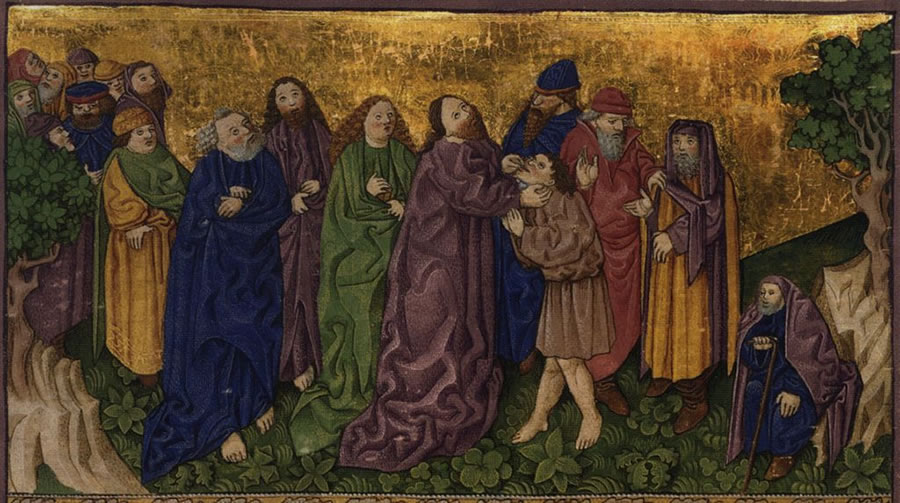
09-08-2024Weekly ReflectionWe Celebrate Worship Resource, Vol. 49, No. 1Rarely do the evangelists give us the exact words Jesus spoke in Aramaic, but we hear one today: “Ephphatha!” which helpfully translates for his Greek-speaking audience as a command meaning, “Be opened! Jesus says it after touching the ears and tongue of the man with hearing and speech impediments. Note that Jesus did not say, “Listen!” or “Speak!” In saying “Be opened!” he is saying more than that he has cured those faculties. He is telling the man to open himself up to a new world. By keeping the original language, Mark is telling his readers, then and now, to do the same. Are our ears closed to God’s word? “Ephphatha!” Do we keep our mouths closed when we could boldly proclaim the Good News? “Ephphatha!”Ê James gives an example in the second reading, asking if we avoid a poor person with shabby clothes while welcoming someone in fine clothes. Are we listening to what Jesus teaches? What are we proclaiming with our actions if we ignore or mistreat someone based on their outer appearance? James reminds us: who did Jesus say would inherit the kingdom of God? May we open our ears, our lips, and our hearts to God’s word made flesh.
How can you listen to God’s word with new ears and proclaim it with a new voice?
Él Hace Oír A Los Sordos
En raras ocasiones los evangelistas nos dan las palabras exactas que Jesús pronunció en arameo, pero hoy escuchamos una: “¡Effatá!”, que se traduce para su audiencia de habla griega como una orden que significa “¡Ábrete!”. Jesús lo dice después de tocar los oídos y la lengua del hombre con impedimentos audi vos y del habla. Nótese que Jesús no dijo “¡Escucha!” o “¡Habla!”. Al decir “¡Ábrete!”, está diciendo más que ha curado esas facultades. Está diciendo al hombre que se abra a un mundo nuevo. Al mantener el idioma original, Marcos está diciendo a sus lectores, entonces y ahora, que hagan lo mismo. ¿Están cerrados nuestros oídos a la palabra de Dios? “¡Effatá!”. ¿Mantenemos nuestras bocas cerradas cuando podríamos proclamar con valen a la Buena Nueva? “¡Effatá!”. San ago da un ejemplo en la segunda lectura, preguntando si evitamos a una persona pobre con ropa raída mientras damos la bienvenida a alguien con ropa f ina. ¿Estamos escuchando lo que Jesús enseña? ¿Qué proclamamos con nuestras acciones si ignoramos o maltratamos a alguien por su apariencia exterior? Santiago nos recuerda: ¿quién dijo Jesús que heredaría el reino de Dios? Abramos nuestros oídos, nuestros labios y nuestros corazones a la palabra de Dios hecha carne.
¿Cómo podemos escuchar la palabra de Dios con oídos nuevos y proclamarla con una voz nueva?

Create In Me A Clean Heart, O God
09-01-2024Weekly ReflectionWe Celebrate Worship Resource, Vol. 49, No. 1Many of us wince to see Jesus’ disciples sit down to a meal without washing their hands first. But Mark did not include this vignette in his Gospel to show that Jesus taught bad hygiene. No, Jesus is teaching the difference between God’s commands and human traditions. The religious authorities taught that washing one’s hands before eating was a matter of ritual purity, but that mattered not a whit to Jesus. Recall that in the story of the good Samaritan, the priest, and the Levite sinned when they chose safeguarding their ritual purity over assisting the stranger in need. Ritual and tradition are important, certainly, but God’s law is supreme. This is what Moses taught, proclaiming that no human law could be as just or wise as God’s. Jesus adds to this by identifying the human heart, not dirty hands, as the source of the evils that defile. We are to look into our hearts for sins and failings, not judge the actions of others. Let us heed James’ words in the second reading: Caring for those in need can keep us undefiled before God.
What attitude in your heart leads you to sin or prevents you from doing good?
Crea En Mi Un Corazón Puro, Señor
Muchos de nosotros nos estremecemos al ver a los discípulos de Jesús sentarse a comer sin lavarse las manos primero. Pero Marcos no incluyó esta viñeta en su Evangelio para mostrar que Jesús enseñaba una mala higiene. No, Jesús está enseñando la diferencia entre los mandamientos de Dios y las tradiciones humanas. Las autoridades religiosas enseñaban que lavarse las manos antes de comer era una cues ón de pureza ritual, pero eso no le importaba en absoluto a Jesús. Recordemos que en la historia del buen samaritano, el sacerdote y el levita pecaron cuando eligieron salvaguardar su pureza ritual en lugar de ayudar al extraño necesitado. El ritual y la tradición son importantes, sin duda, pero la ley de Dios es suprema. Esto es lo que enseñó Moisés, proclamando que ninguna ley humana podría ser tan justa o sabia como la de Dios. Jesús añade a esto iden ficando el corazón humano, no las manos sucias, como la fuente de los males que contaminan. Debemos mirar dentro de nuestro corazón en busca de pecados y fallas, no juzgar las acciones de los demás. Prestemos atención a las palabras de San ago en la segunda lectura: Cuidar a los necesitados puede mantenernos puros ante Dios.
¿Qué actitud de tu corazón te lleva a pecar o te impide hacer el bien?
Doers Of The Word
09-01-2024Question of the Week Reading I: Deuteronomy 4:1-2, 6-8 • Advantages of Fidelity
Reading II: James 1:17-18, 21b-22, 27 • Response to God’s Gift
Gospel: Mark 7:1-8, 14-15, 21-23 • Jesus and the Pharisees
Key Passage: Welcome with meekness the implanted word that has the power to save your souls. But be doers of the word, and not merely hearers who deceive themselves. (James 1:21–22)
Adults: Which words of Jesus provide the most inspiration for the Chris an work that you do?
Kids: How do you welcome the words of Jesus into your heart?
Hacedores De La Palabra
Lectura I: Deuteronomio 4:1-2, 6-8 • Ventajas de la fidelidad
Lectura II: San ago 1:17-18, 21b-22, 27 • Respuesta al don de Dios
Evangelio: Marcos 7:1-8, 14-15, 21-23 • Jesús y los fariseos
Pasaje Clave: Acepten dócilmente la palabra que ha sido sembrada en ustedes y es capaz de salvarlos. Pongan en práctica esa palabra y no se limiten a escucharla, engañándose a ustedes mismos. (Santiago 1:21–22)
Adultos: ¿Qué palabras de Jesús son las que más inspiran el trabajo cristiano que realizáis?
Niños: ¿Cómo acogéis las palabras de Jesús en vuestro corazón?