St. Francis of Assisi Weekly Reflections
Resisting Temptation
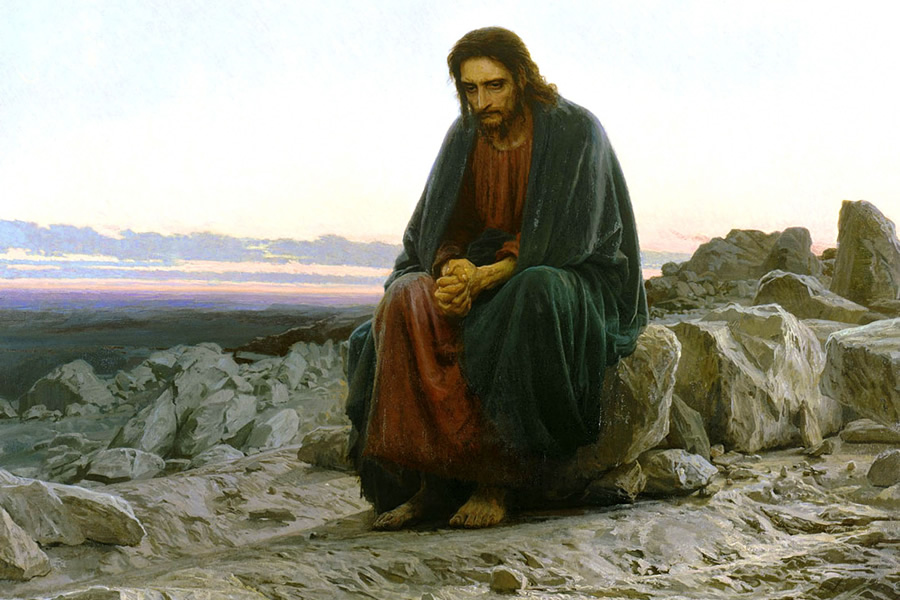
02-22-2026Weekly ReflectionWe Celebrate Worship Resource, Vol. 49, No. 1The worst time to face temptation is when one is most vulnerable, especially if someone exploits that vulnerability. The serpent exploited Eve's naivete by telling her three half-truths. It was true that she and Adam would not die, but now they became subject to death. Yes, their eyes were opened, but to shame and guilt, as they discovered too late.
They may now know evil, but they certainly did not become gods. Jesus also was clearly vulnerable, having spent forty days alone in the desert. The devil seizes that moment to tempt him three times with food, power, and authority. But Jesus turns to God's word to reject all three. Significantly, in time Jesus will fulfill all three promises, but on his own terms.
He will become the living bread, offering eternal life to all who eat of it. He will again refuse to throw himself down from above Jerusalem, this time from the cross, so he can win our salvation. He reveals the kingdom of God, greater than all the kingdoms of the world. With the help of the Spirit, Jesus trusted in the Father and resisted temptation. May the Spirit help us do so as well.
When do you feel vulnerable to temptation? Challenge yourself to see the half-truths that tempt you.
-We Celebrate Worship Resource, Vol. 51, No. 1
Resistiendola Tentación
El peor momento para enfrentar la tentación es cuando uno es más vulnerable, especialmente si alguien se aprovecha de esa vulnerabilidad. La serpiente aprovecho la ingenuidad de Eva diciendole tres medias verdades. Era cierto que ella y Adán no morirían, pero ahora estaban sujetos a la muerte. Sí, sus ojos se abrieron, pero para vergüenza y culpa, como descubrieron demasiado tarde. Puede que ahora conocieran el mal, pero ciertamente no se convirtieron en dioses. Jesús también era claramente vulnerable, tras haber pasado cuarenta días solo en el desierto.
El diablo aprovechó ese momento para tentarlo tres veces con comida, poder y autoridad. Pero Jesus recurrió a la palabra de Dios para rechazar las tres. Significativamente, con el tiempo Jesus cumpliría las tres promesas, pero en sus propios términos.
Se convertiría en el pan vivo, ofreciendo vida eterna a todos los que coman de él. Se negaría de nuevo a arrojarse desde lo alto de Jerusalen, esta vez desde la cruz, para poder ganar nuestra salvacion. Él revela el reino de Dios el mayor de todos los reinos del mundo. Con la ayuda del Espíritu, Jesus confió en el Padre y resistió la tentación. Que el Espíritu nos ayude a hacer lo mismo.
¿Cuando te sientes vulnerable a la tentacion? Desafate a ver las medias verdades que te tientan.
-We Celebrate Worship Resource, Vol. 51, No. 1
Overcoming Temptation
02-22-2026Question of the Week| Reading I | The Fall Of Humankind - Genesis 2:7-9; 3:1-7 |
| Reading II | Humanity's Sin Through Adam - Romans 5:12-19 |
| Gospel | The Temptation Of Jesus - Matthew 4:1-11 |
| Key Passage: Jesus was led up by the Spirit into the wilderness to be tempted by the devil. (Matthew 4:1) | |
| Adult: What helpful advice could you offer someone faced with a temptation? | |
| Kids: What helps you do the right thing when you want to do something wrong? |
Venciendo La Tentación
| Lectura I | La Caída de la Humanidad - Génesis 2:7-9; 3:1-7 |
| Lectura II | El Pecado de la Humanidad a través de Adán - Romanos 5:12-19 |
| Evangelio | La Tentación de Jesus . Mateo 4:1-11 |
| Pasaje clave: Jesús fue llevado por el Espíritu al desierto para ser tentado por el diablo (Mateo 4:1). | |
| Adultos: ¿Qué consejo útil le darías a alguien que se enfrenta a una tentación? | |
| Niños: ¿Que te ayuda a hacer lo correcto cuando quieres hacer algo malo? |

Be Reconciled With Your Brother
02-15-2026Weekly ReflectionWe Celebrate Worship Resource, Vol. 49, No. 1Most of the commandments, including the ones Jesus discuses today, describe actions. You shall not kill or commit adultery or steal or lie. Jesus acknowledges these, going so far as to say that those who obey them are "greatest in the kingdom of heaven" (Matthew 5:19). But avoiding these actions is not enough. Jesus teaches us to look inside ourselves, at the attitudes and passions that lead to those actions.
Anger, for instance, can lead to verbal or physical assault. But anger can be destructive even if we keep it inside ourselves. It can fester, staining our heart and clouding our mind and always threatening to break out. Forgiveness enables us to reconcile with our adversary. Recognizing that person as a fellow child of God allow love, mercy, and compassion, which come to us through God's grace, to win out over anger, hate, or resentment.
As Ben Sira attests, we can choose to do this. As we approach the penitential season of Lent, there is no better time. May the Holy Spirit move our hearts and wills, and so reveal in some small measure what God has prepared for us: the kingdom of heaven.
What anger, resentment, or jealousy can the Holy Spirit see in your heart?
-We Celebrate Worship Resource, Vol. 51, No. 1
Reconciliate Con Tu Hermano
La mayoría de los mandamientos, incluidos los que Jesús comenta hoy, describen acciones. No matarás, ni cometerás adulterio, ni robarás, ni mentirás. Jesús los reconoce, llegando incluso a decir que quienes los obedecen son "los más grandes en el reino de los cielos" (Mateo 5:19). Pero evitar estas acciones no es suficiente. Jesús nos enseña a mirar en nuestro interior, a las actitudes y pasiones que conducen a esas acciones.
La ira, por ejemplo, puede llevar a la agresión verbal o física. Pero la ira puede ser destructiva incluso si la guardamos dentro de nosotros. Puede enquistarse, manchando nuestro corazón, nublando nuestra mente y amenazando siempre con estallar. El perdón nos permite reconciliarnos con nuestro adversario. Reconocer a esa persona como un hijo de Dios nos permite que el amor, la misericordia y la compasión, que nos llegan a través de la gracia de Dios, prevalezcan sobre la ira, el odio o el resentimiento.
Como atestigua Ben Sira, podemos elegir hacer esto. Al acercarnos al tiempo penitencial de la Cuaresma, no hay mejor momento. Que el Espíritu Santo mueva nuestros corazones y voluntades, y así nos revele, aunque sea en pequeña medida, lo que Dios ha preparado para nosotros: el reino de los cielos.
¿Qué ira, resentimiento o celos puede ver el Espíritu Santo en tu corazón?
-We Celebrate Worship Resource, Vol. 51, No. 1

Shine Christ's LIght
02-08-2026Weekly ReflectionWe Celebrate Worship Resource, Vol. 49, No. 1Upon their return to Jerusalem, Isaiah tells his fellow Israelites that God has some blunt commands: Feed the hungry, shelter the homeless, clothe the naked, and aid the oppressed. In doing so, Isaiah promises, their light will shine forth and their souls shall be healed. Jerusalem, the holy city, now freed from captivity, will reveal the Lord's glory when its people sacrifice what they have for those in need.
Jesus invokes this image when calling upon his disciples to let their light shine for all to see, as a city on a mountain is visible from all around. Jesus and his disciples are conspicuous among the people of Galilee and Judea, drawing crowds wherever they go. Jesus wants the good deeds that his disciples carry out to be seen by all, glorifying God and giving everyone a glimpse of the kingdom he preaches.
Even Saint Paul, who wrote to Chrisian communities more extensively that anyone, told the Corinthians he preaches not with words but with the power of the cross. For it is in that ultimate sacrifice that Jesus revealed God's mercy and love most fully. It is or turn now. May the good works we do reflect the light of Christ for all the world to see.
What concrete action will you do this week that can shine Christ's light in your corner of the world?
-We Celebrate Worship Resource, Vol. 51, No. 1
Haz Brillar La Luz De Cristo
Asu regreso a Jerusalén, Isaías les dice a sus compatriotas israelitas que Dios tiene mandamientos claros: alimentar al hambriento, dar refugio al desamparado, vestir al desnudo y ayudar al oprimido. Al hacerlo, promete Isaías, su luz brillará y sus almas serán sanadas. Jerusalén, la ciudad santa, ahora liberada del cautiverio, revelará la gloria del Señor cuando su pueblo sacrifique lo que tiene por los necesitados.
Jesús evoca esta imagen al llamar a sus discípulos a que dejen brillar su luz para que todos la vean, como una ciudad en la cima de una montaña es visible desde todas partes. Jesús y sus discípulos son notables entre la gente de Galilea y Judea, atrayendo multitudes dondequiera que van. Jesús quiere que las buenas obras que realizan sus discípulos sean vistas por todos, glorificando a Dios y dando a todos un atisbo del reino que predica.
Incluso San Pablo, quien escribió a las comunidades cristianas más extensamente que nadie, les dijo a los corintios que predica no con palabras, sino con el poder de la cruz. Porque es en ese sacrificio supremo donde Jesús reveló la misericordia y el amor de Dios en su máxima expresión. Ahora es nuestro turno. Que las buenas obras que hagamos reflejen la luz de Cristo para que todo el mundo la vea.
¿Qué acciones concretas realizarás esta semana para que la luz de Cristo brille en tu rincón del mundo?
-We Celebrate Worship Resource, Vol. 51, No. 1
Theirs is the Kingdom
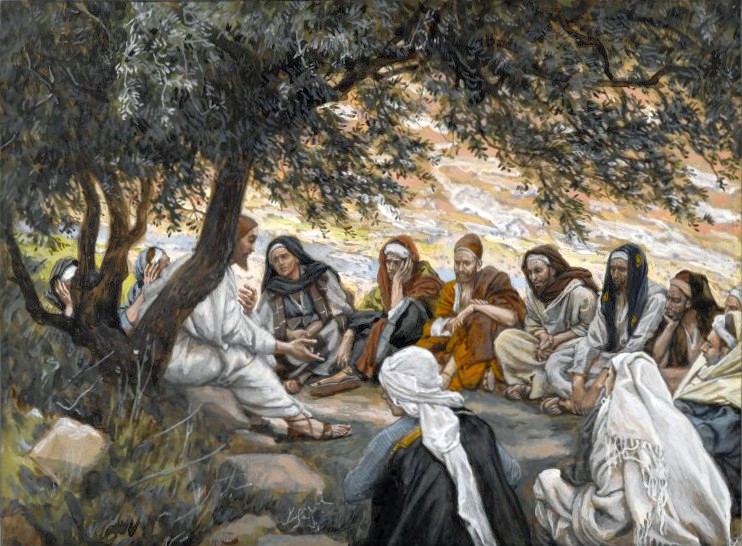
02-01-2026Weekly ReflectionWe Celebrate Worship Resource, Vol. 49, No. 1If the Beatitudes were radical in Jesus' time, how much more are they now? Take a look around. See all those folks who are poor or meek or persecuted? Do we think of them as blessed? Isn't it easier to see wealth, power, and adulation as sign of God's favor? Zephaniah didn't think so. His countercultural prophecy says that God will choose those who are humble and lowly.
Paul repeats this lesson to the Corinthians, teaching them that God chose the weak, the lowly, and the despised of the world. This can be a challenge for us. We are tempted to build wealth, to make our lives comfortable, to fight back when we are disrespected, to use our strength to push our way past others. Jesus teaches just the opposite: that we should be poor in spirit, show mercy, embrace humility, and accept insults rather than fighting back. Then we are blessed.
Why? Because by choosing to be weak and humble, we place our trust in God, for God's strength, justice, and mercy are greater than we can possibly muster. Then, as Paul puts it, we can boast in the Lord. Are you willing to live your life in keeping with the Beatitudes? Name one thing that you will change.
-We Celebrate Worship Resource, Vol. 51, No. 1
De Ellos Es El Reino
Si las Bienaventuranzas fueron radicales en tiempos de Jesús, ¿cuanto mas lo son ahora? Miremos a nuestro alrededor. ¿Vemos a todas esas personas pobres, humildes o perseguidas? ¿Las consideramos bienaventuradas? ¿Acaso no es mas facil ver la riqueza, el poder y la adulacion como señales del favor de Dios? Sofonías no pensaba así. Su profecía contracultural afirma que Dios elegirá a los humildes y sencillos.
Pablo repite esta leccion a los corintios, enseñándoles que Dios eligió a los débiles, a los humildes y a los despreciados del mundo. Esto puede ser un desafío para nosotros. Nos sentimos tentados a acumular riquezas, a vivir cómodamente, a defendernos cuando nos faltan el respeto, a usar nuestra fuerza para imponernos a los demás. Jesus enseña precisamente lo contrario: que debemos ser pobres de espíritu, mostrar misericordia, abrazar la humildad y aceptar los insultos en lugar de defendernos. Entonces seremos bienaventurados.
¿Por qué? Porque al elegir ser débiles y humildes, depositamos nuestra confianza en Dios, pues la fuerza, la justicia y la misericordia de Dios son mayores de lo que nosotros podemos alcanzar. Entonces, como dice Pablo, podemos gloriarnos en el Señor. ¿Estás dispuesto a vivir tu vida de acuerdo con las Bienaventuranzas? Menciona algo que vayas a cambiar.
-We Celebrate Worship Resource, Vol. 51, No. 1
Blessed Are We
02-01-2026Question of the Week| Reading I | Promise For Jerusalem - Zephaniah 2:3; 3:12-13 |
| Reading II | Paradox Of God's Choice - 1 Corinthians 1:26-31 |
| Gospel | The Beatitudes - Matthew 5:1-12a |
| Key Passage: Blessed are you when people revile you and persecute you and utter all kinds of evil against you falsely on my account. Rejoice and be glad, for your reward is great in heaven, for in the same way they persecuted the prophets who were before you. (Matthew 5:11-12) | |
| Adult: When you heard the Beatitudes announced today, which one struck you most strongly? | |
| Kids: Who is welcome in the reign of God? Who would you like to tell about the reign of God? |
Bienaventurados Somos
| Lectura I | Promesa para Jerusalén - Sofonías 2:3; 3:12-13 |
| Lectura II | La paradoja de la elección de Dios - 1 Corintios 1:26-31 |
| Evangelio | Las Bienaventuranzas - Mateo 5:1-12a |
| Pasaje clave: Bienaventurados serán cuando los insulten y persigan, y digan todo género de mal contra ustedes falsamente, por causa de Mí. Regocíjense y alégrense, porque la recompensa de ustedes en los cielos es grande, porque así persiguieron a los profetas que fueron antes que ustedes. (Mateo 5:11-12) | |
| Adultos: When you heard the Beatitudes announced today, which one struck you most strongly? | |
| Niños: ¿Quienes son bienvenidos en el reino de Dios? ¿A quién les gustaría hablarle sobre el reino de Dios? |